Unity AI assistant
Powering Faster Development and Deeper Learning
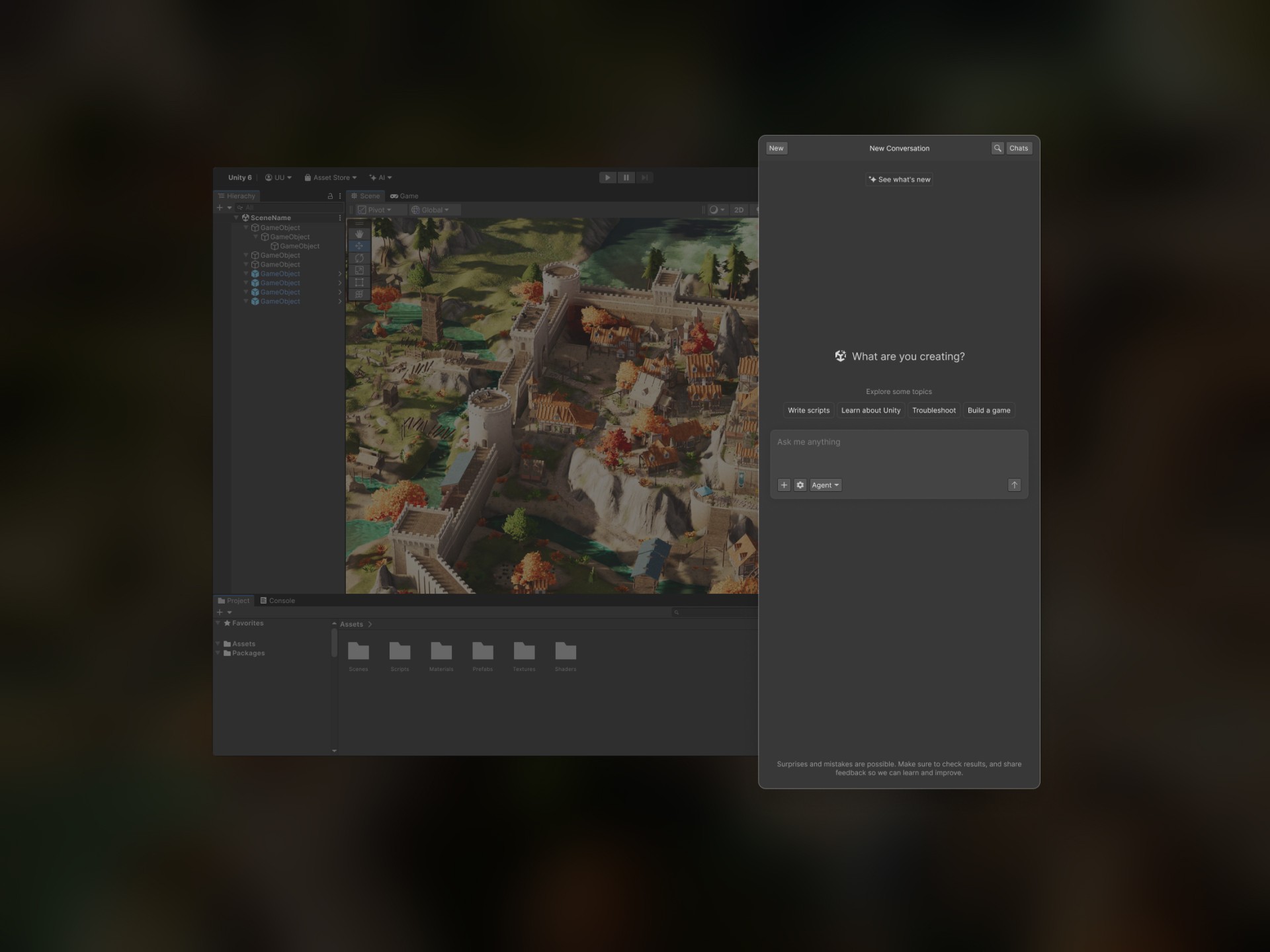
The rise of generative AI and models like GPT has reshaped how people create and learn, making it possible to generate code, assets, and ideas faster than ever before. For Unity, this shift represented a unique opportunity to evolve the development experience—moving beyond traditional tools toward a more intelligent, accessible, and creative workflow built around natural language and automation. By introducing its own AI solution directly into the Unity Editor, Unity empowered users with contextual assistance tailored to real-time 2D and 3D creation. On top of external tools, creators can now learn, prototype, and build inside a single environment, with AI helping reduce friction and accelerate the journey from idea to interactive experience.
From online to native integration
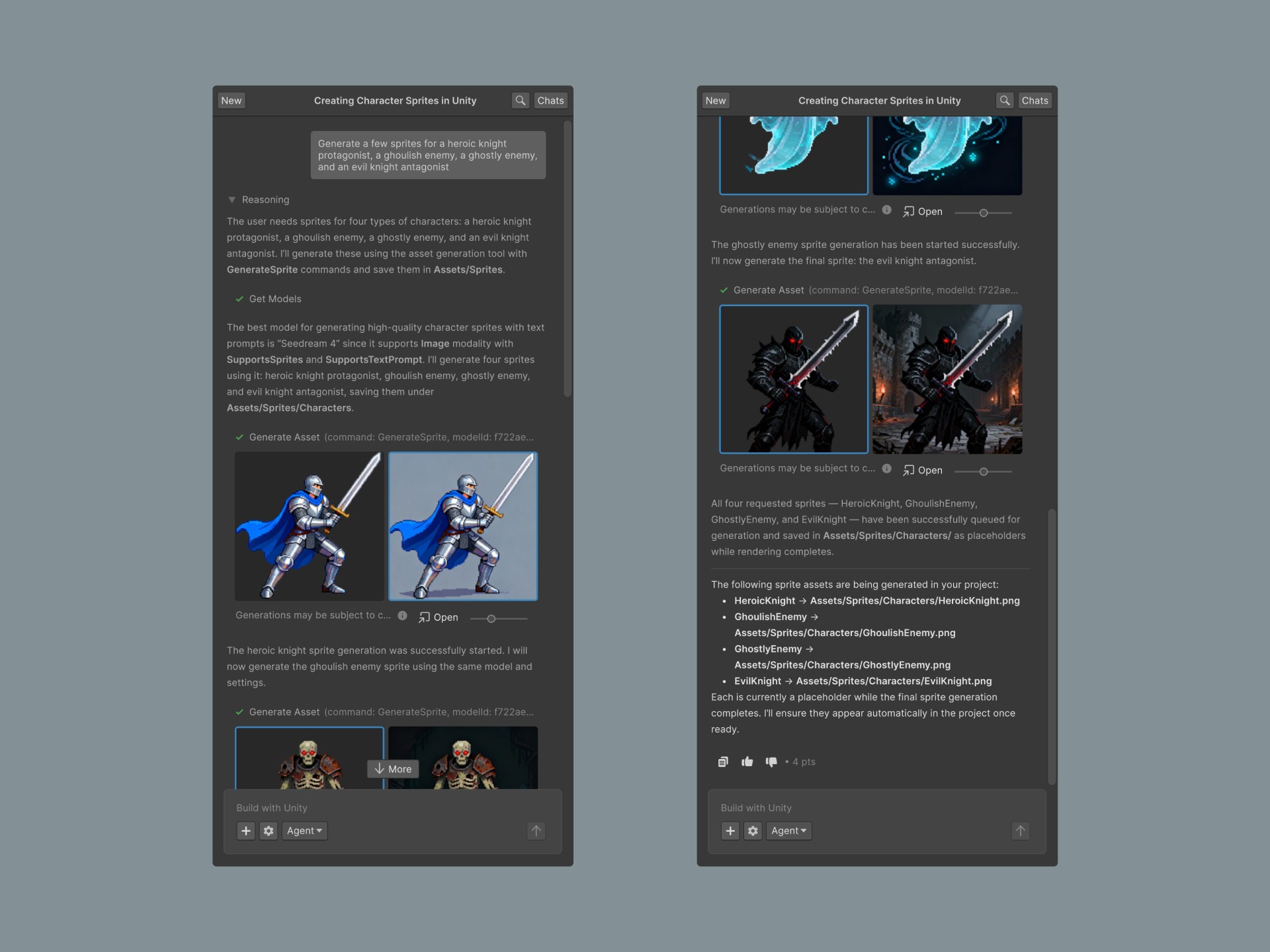
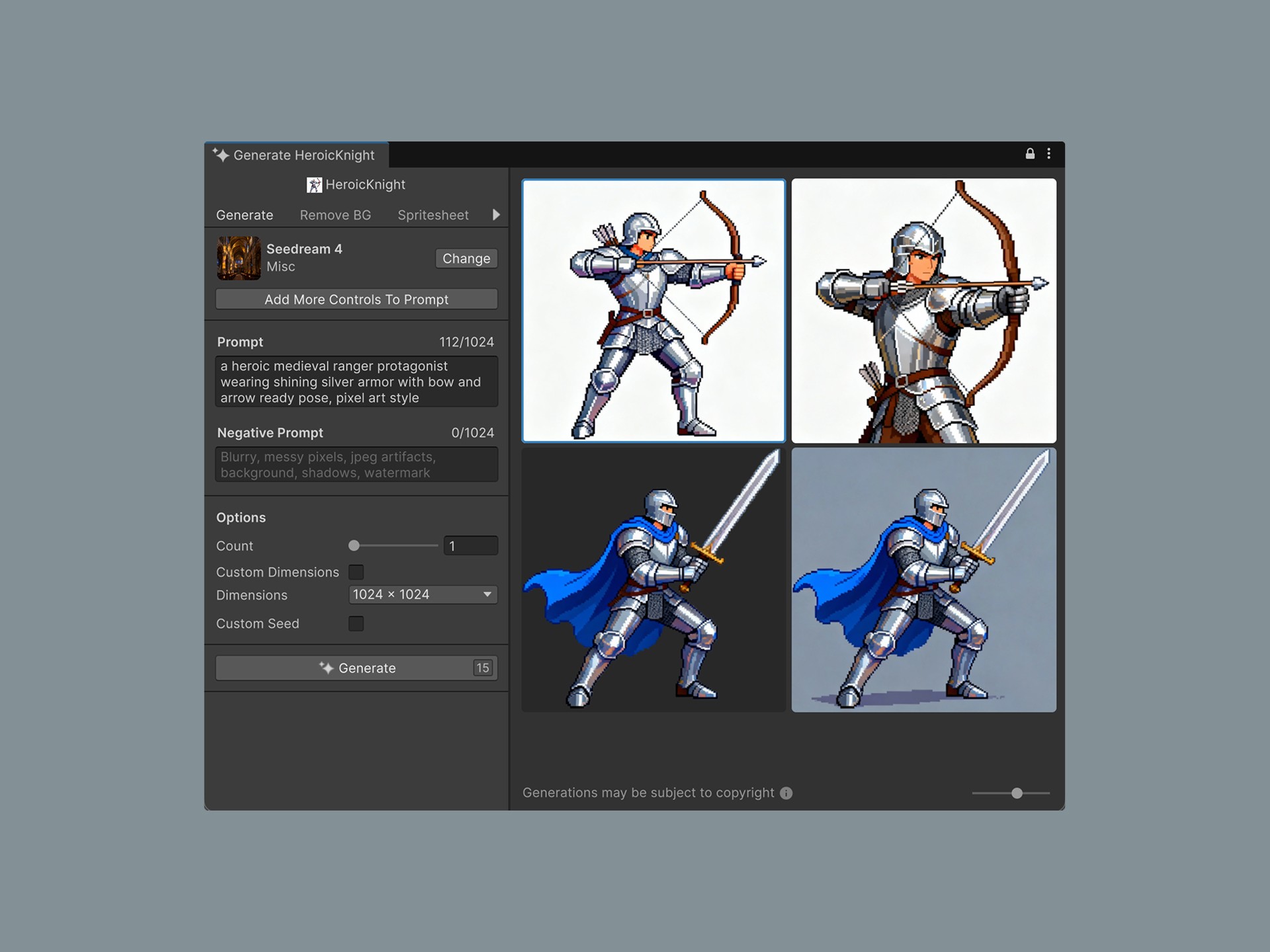
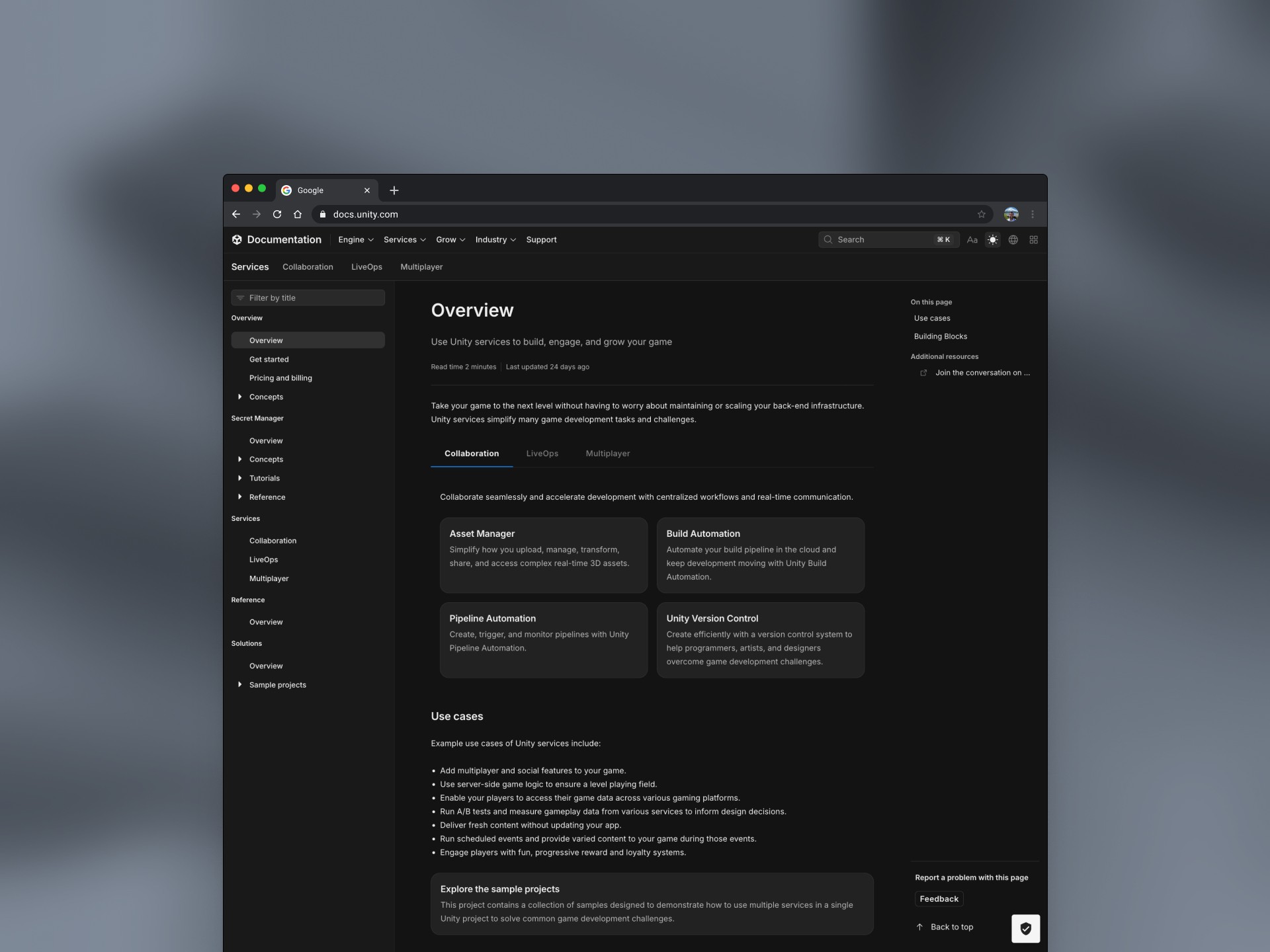
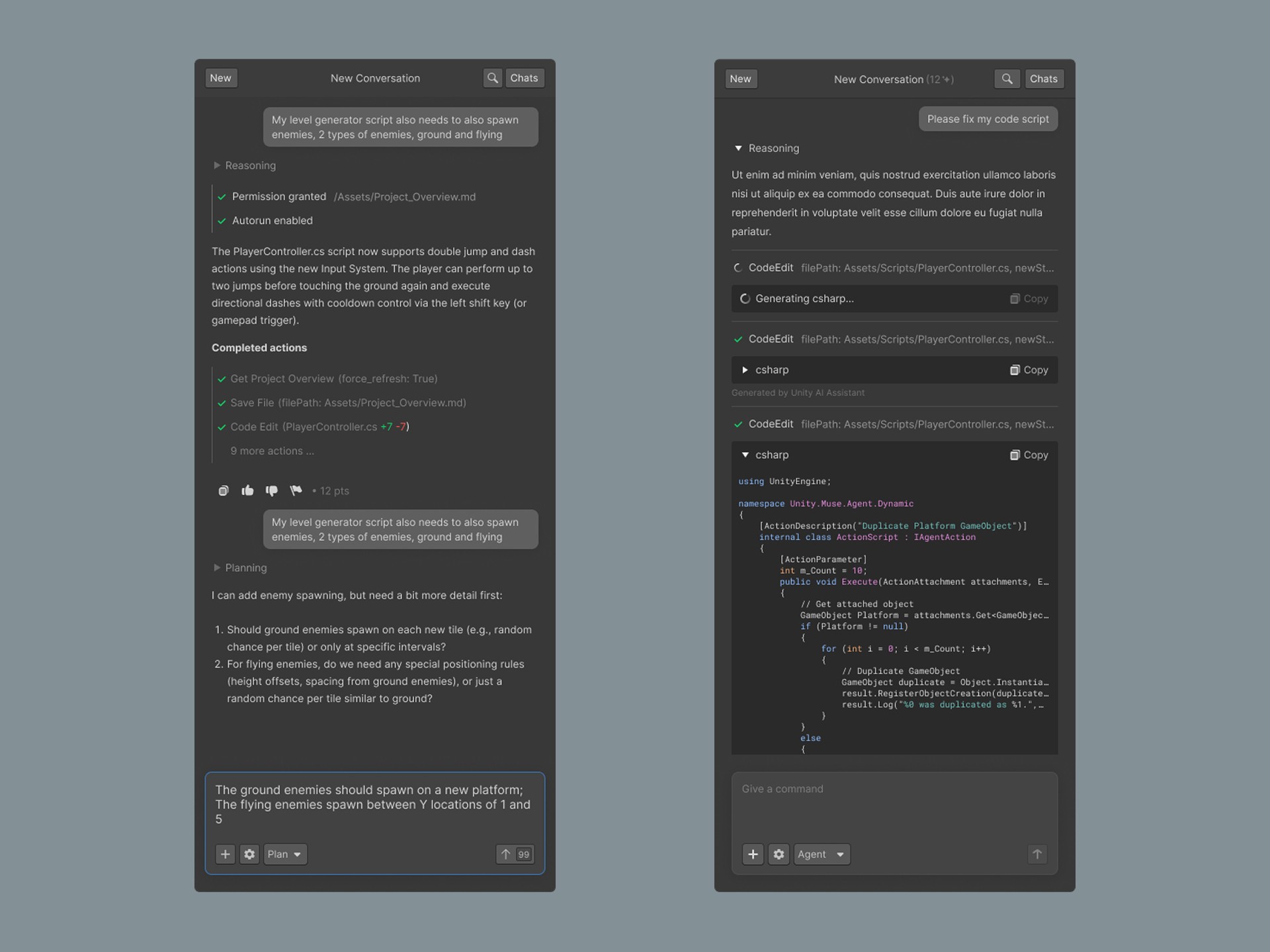
Unity first introduced a web-based AI assistant to help users navigate documentation more easily, but quickly realized that real value required understanding each project’s context. By integrating AI directly into the Unity Editor, it became an intelligent agent aware of scenes, assets, and scripts—able to provide meaningful guidance, automate tasks, and accelerate creation and learning where developers actually work. This shift to native integration also demanded a deeper understanding of AI interaction patterns and how they fit within the Unity Editor’s existing UX ecosystem. Unity had to adapt conversational AI into established workflows, tools, and panels—ensuring that AI felt like a natural extension of the Editor rather than a separate feature. The result was an experience designed not just around intelligence, but around usability, trust, and seamless integration into creators’ daily workflows.